¡Hablamos Español! Dr. Herdade Now Welcoming Spanish Speaking Patients


Dental Implants vs Bridges: Which Lasts Longer Over Time?

By Downtown Family Dentistry | May 26, 2026
Have you been wondering which tooth replacement option can truly last for years? Many people with missing teeth ask the same question before starting treatment. They want something that feels natural, works comfortably, and stays reliable through everyday life.
For families looking for a trusted Dentist Tahlequah, understanding the long-term difference between these two restorations can make the decision easier. At Downtown Family Dentistry, patients often ask Dr. Walker which option offers stronger long-term value for chewing, appearance, and oral health.
In a community like Tahlequah, where people enjoy active routines, outdoor activities, and busy family schedules, choosing a restoration that supports daily comfort matters. This guide explains how both treatments work, how long they typically last, and what many dentists recommend for different dental conditions.
Understanding Tooth Replacement Options
Missing teeth can affect more than your smile. They can change the way you eat, speak, and clean your mouth. Over time, nearby teeth may also shift out of place.
Two of the most common solutions include implant-supported replacements and fixed dental restorations supported by neighboring teeth.
What Are Dental Implants?
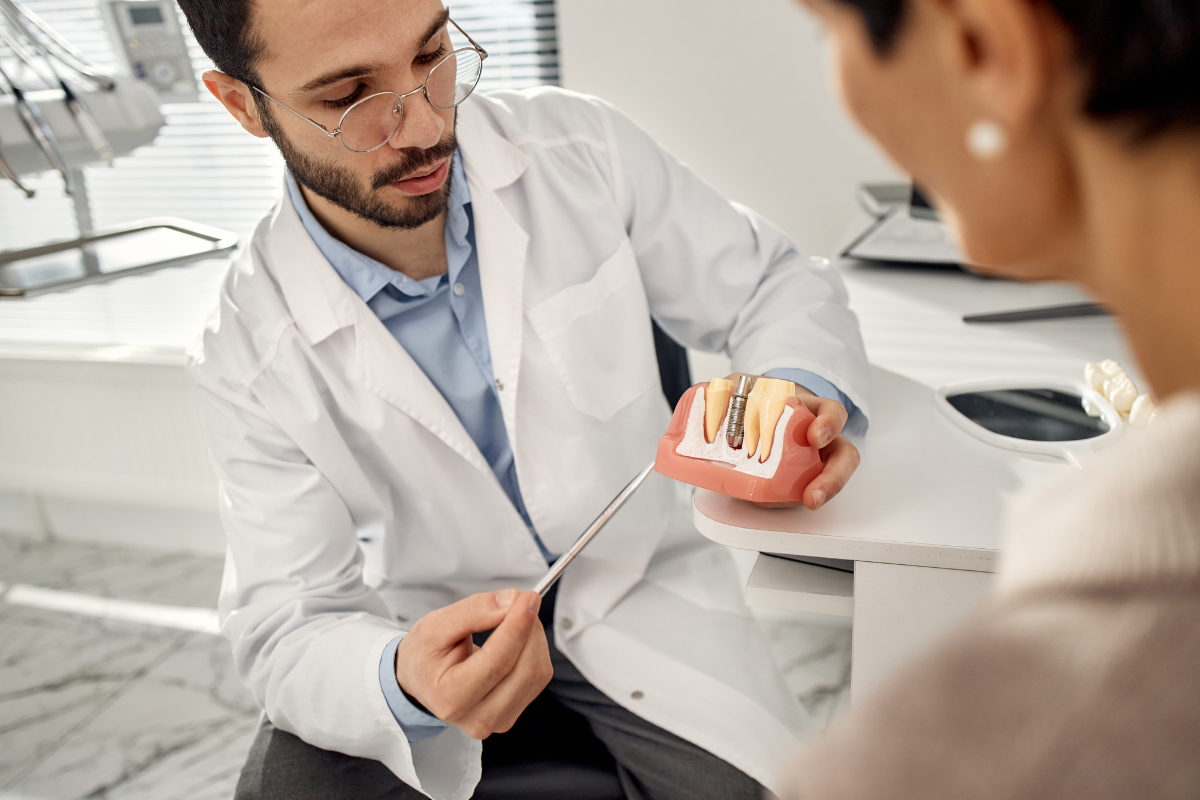
This treatment replaces the missing tooth root with a titanium post placed inside the jawbone. After healing, a custom crown is attached on top to restore appearance and function.
Many patients choose dental implants because they:
- Feel close to natural teeth
- Help maintain jawbone strength
- Stay stable while eating
- Do not rely on nearby teeth for support
- Can last for decades with proper care
This treatment is designed to support long-term oral function while helping preserve bone structure.
What Are Bridges?
This restoration fills the gap left by a missing tooth by attaching an artificial tooth between two supporting crowns. The nearby teeth are reshaped to hold the restoration in place.
Traditional bridges may help patients who:
- Want a quicker treatment process
- Have healthy supporting teeth nearby
- Prefer a non-surgical option
- Need to restore chewing ability quickly
This option can restore both function and appearance while helping maintain alignment.
Which Option Usually Lasts Longer?
When comparing long-term durability, implant-supported restorations generally last longer than tooth-supported replacements.
Average Lifespan Comparison
Here is a simple breakdown:
| Treatment | Average Lifespan |
| implant | 20 years or longer |
| Fixed bridge restoration | Around 10–15 years |
The reason is simple. An implant post becomes part of the jawbone, while a bridge depends on neighboring teeth for support. Over time, those supporting teeth may experience additional pressure and wear.
However, longevity also depends on:
- Daily oral hygiene
- Smoking habits
- Teeth grinding
- Gum health
- Regular dental visits
- Existing bone condition
Patients in Tahlequah who enjoy coffee, barbecue, sports drinks, or tobacco products may experience faster wear if oral care habits are inconsistent.
How Bone Health Changes the Decision
One major difference between the two treatments involves the jawbone.
When a tooth is lost, the bone underneath slowly starts shrinking. Implant-supported treatment helps stimulate the jawbone and may reduce future bone loss.
Traditional tooth-supported restorations do not replace the root beneath the gums. Because of this, the bone in that area may continue shrinking over time.
This matters because bone loss can eventually affect:
- Facial structure
- Bite alignment
- Stability of nearby teeth
- Future restoration options
Many dentists recommend implant-based treatment for patients who want stronger long-term bone support.
How to Maintain These Tooth Restorations?
Both restorations require regular care, but maintenance needs can differ.
Caring for Implant-Supported Teeth
Patients should:
- Brush twice daily
- Floss carefully around the crown
- Visit the dentist regularly
- Avoid chewing hard objects like ice
With healthy gums and consistent cleanings, these restorations often remain stable for many years.
Caring for Bridges
Patients with bridges must clean underneath the artificial tooth carefully, using floss threaders or special cleaning tools.
Without proper cleaning, bacteria can collect around the supporting teeth. This may increase the risk of:
- Tooth decay
- Gum irritation
- Crown failure
People with busy schedules in Tahlequah sometimes prefer lower-maintenance options that simplify long-term oral care.
Which Option Feels More Natural?
Many patients feel that implant-supported restorations feel more like natural teeth because they are fused directly into the jawbone.
They often provide:
- Stronger biting force
- Better chewing comfort
- Less movement while eating
- A more natural feel while speaking
Traditional fixed restorations can also look natural, but they may not provide the same stability over the long term.
For patients who frequently enjoy steak dinners, crunchy foods, or outdoor gatherings common across Oklahoma communities, chewing comfort can become an important factor.
When Might a Bridge Be the Better Choice?
Although implants often last longer, they are not automatically the right solution for everyone.
Some patients may benefit more from bridges if they:
- Have significant bone loss
- Prefer a faster treatment timeline
- Cannot undergo oral surgery
- Need replacement in a specific area quickly
A trusted local dental practice will evaluate several factors before recommending the right dental treatment, including gum health, bone density, and overall oral condition.
That is why a complete exam matters before choosing any long-term restoration.
What Do Dentists Usually Recommend?
Many dentists recommend implant-supported treatment for long-term durability and jawbone support. However, recommendations depend on the patient’s needs, medical history, and oral health goals.
At Downtown Family Dentistry, Dr. Walker and the team evaluate each patient individually to determine which solution may provide stronger long-term stability.
For patients searching for a trusted Dentist Tahlequah, it is important to choose our dental practice, which offers a range of treatment options and clearly explains the advantages.
Our reliable oral care provider will focus on:
- Long-term comfort
- Gum health
- Bite function
- Future maintenance
- Overall smile stability
If you have been struggling with missing teeth, now may be the right time to visit our dental office in Tahlequah and learn which treatment matches your lifestyle and oral health needs.
Conclusion
Choosing between dental implants and bridges depends on your oral health, long-term goals, and daily lifestyle. While implant-supported treatment often lasts longer and supports jawbone health, traditional fixed restorations may still work well for certain patients.
The right decision starts with a professional evaluation and a clear understanding of your options. If you are ready to restore your smile and improve daily comfort, book an appointment with Downtown Family Dentistry at 221 E Downing St, Tahlequah, OK 74464, and learn which treatment may work best for you.
Frequently Asked Questions
Which Lasts Longer Over Time?
Implant-supported tooth replacement usually lasts longer than traditional fixed restorations when maintained properly. Regular visits to a dentist help extend the lifespan of both options.
Are Implants Stronger For Chewing?
Many patients find implant-supported restorations more stable while chewing because they are anchored into the jawbone. The dental clinic can determine if you are a suitable candidate.
Do Bridges Require Extra Cleaning?
Yes. Patients often need special flossing tools to clean underneath the restoration. Proper cleaning helps protect the supporting teeth from decay.
Can Bone Loss Affect Treatment Choice?
Yes. Bone condition plays a major role in treatment planning. A dentist may recommend imaging to evaluate jawbone health before starting care.
Which Option Looks More Natural?
Both restorations can look natural, but implant-supported teeth often feel more like real teeth during speaking and eating.